Forceget connects international freight, customs, warehousing and e-commerce fulfillment in one system, helping brands protect Q4 cash flow and margins.
MIAMI, FL, UNITED STATES, September 15, 2026 /EINPresswire.com/ — As e-commerce brands prepare to ship inventory for the fourth quarter, many are facing increasing pressure from international logistics disruptions, carrier capacity constraints, canceled sailings, geopolitical uncertainty, and longer transit times. These challenges do more than delay inventory. They can create significant cash-flow pressure at the most important time of the year for e-commerce businesses.
For many brands, Q4 is also a time to reconsider relying on a single channel for their supply chain and fulfillment operations. Brands are increasingly looking for alternative e-commerce fulfillment solutions to reduce costs, improve cash flow, gain greater flexibility, and ultimately increase profitability.
Why E-Commerce Brands Are Looking Beyond Single-Channel Fulfillment
Amazon remains an important part of the supply chain for thousands of e-commerce brands. However, relying on a single channel or a single fulfillment network during Q4 can create operational and financial challenges. Peak-season inventory receiving delays, appointment availability, capacity limitations, and increased fulfillment and storage costs can put additional pressure on brands precisely when order volume is at its highest.
The challenge becomes even greater for brands expanding from Amazon into Shopify, TikTok Shop, Walmart, and other sales channels. Managing inventory across multiple marketplaces, fulfillment centers, 3PLs, freight forwarders, and customs providers can result in disconnected systems and fragmented data. Brands may struggle to understand their true landed costs, inventory position, fulfillment expenses, and profitability.
Connecting International Logistics and E-Commerce Fulfillment
Forceget Fulfillment for e-commerce is designed to reduce these operational disconnections by bringing more of the supply chain under one system. Instead of working separately with an international freight forwarder, customs broker, warehouse, fulfillment company, and multiple marketplace solutions, brands can use Forceget for end-to-end logistics—from international transportation and customs clearance to warehousing and final order fulfillment.
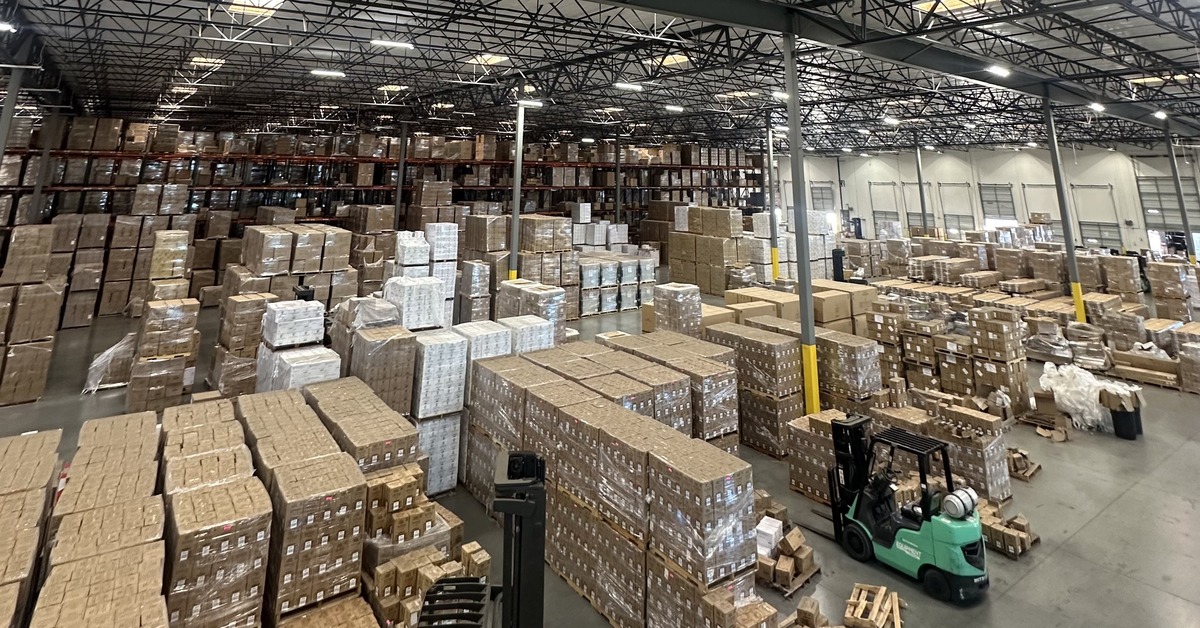
The Forceget fulfillment center network helps brands position inventory closer to their customers while maintaining greater flexibility over where and how inventory is distributed. The network spans six warehouses totaling 655,000 square feet in California, Pennsylvania, Toronto, Rotterdam, London and Shenzhen, and orders received by the 11 a.m. cutoff at either U.S. facility ship the same business day.
For brands operating a DTC fulfillment model, this means inventory can support multiple sales channels rather than being locked into a single marketplace ecosystem.
Better Visibility Can Lead to Better Profitability
One of the biggest challenges for growing e-commerce businesses is understanding the true cost of every order. When freight, customs, storage, fulfillment, marketplace fees, and transportation data are spread across different providers, calculating actual profitability becomes increasingly difficult.
Forceget combines logistics operations with an e-commerce fulfillment platform designed to give brands better visibility into their inventory and fulfillment operations. Through e-commerce order fulfillment software, brands can connect their sales channels and manage orders and inventory from a more centralized environment, with integrations across more than 20 marketplaces and storefronts, including Amazon, Walmart, Shopify, TikTok Shop and eBay.
This connected approach can help companies identify unnecessary operational costs, reduce manual work, make better inventory decisions, and understand their margins more clearly. In audits completed this year, Forceget found an average gap of about 23% between what brands were paying for fulfillment and shipping and what the same volume would cost through a two-coast network with per-order carrier selection.
“Most Q4 problems are calendar problems and cash problems, not warehouse problems,” said Burak Yolga, Co-founder and Chief Executive Officer of Forceget Fulfillment. “A brand knows how much stock it needs. What it often cannot see is the date that stock stops being useful, or how much working capital is tied up between the factory and the first sale.”
Cash Flow Matters More During Q4
For e-commerce brands, reducing fulfillment costs is only part of the equation. Cash flow and payment flexibility can be equally important. Brands often invest heavily in inventory months before Q4 sales occur. International freight, duties, warehousing, advertising, and fulfillment expenses can all require additional working capital before revenue is collected.
Forceget works with qualified brands to provide more flexible logistics and payment solutions, including Net 60 payment terms on freight, helping businesses better manage the gap between purchasing inventory and generating revenue from that inventory.
Building a More Flexible Q4 Supply Chain
The best e-commerce fulfillment companies provide more than simple pick-and-pack services. As e-commerce becomes increasingly omnichannel, brands need logistics partners capable of connecting international transportation, customs clearance, inventory management, warehousing, fulfillment, and technology. Forceget commits to service levels of 99.0% or better for order accuracy, 99.5% or better for fill rate, and 95.0% or better for on-time shipping.
Forceget’s goal is to give e-commerce brands greater control over their supply chains while reducing the operational fragmentation that comes from managing multiple logistics providers.
As brands prepare for Q4, having inventory in the right location is important—but understanding the cost, cash-flow impact, and profitability behind that inventory can be even more important.
“Having inventory in the right place is the part everyone plans for,” Yolga said. “Knowing what it cost to get there, and what it is costing to sit there, is the part that decides whether Q4 was profitable.”
About Forceget
Forceget Supply Chain Logistics provides end-to-end logistics and e-commerce fulfillment solutions for growing brands. Its services include international ocean and air freight, customs clearance, warehousing, DTC and B2B fulfillment, Amazon FBA preparation, and omnichannel order fulfillment.
Forceget helps e-commerce businesses connect their international supply chain with their U.S. fulfillment operations, providing greater visibility and control from origin to final delivery. More information is available at https://forceget.com/
Pelin Asrav
Forceget Supply Chain Logistics
+1 305-394-6428
pelinasrav@forceget.com
Legal Disclaimer:
EIN Presswire provides this news content “as is” without warranty of any kind. We do not accept any responsibility or liability
for the accuracy, content, images, videos, licenses, completeness, legality, or reliability of the information contained in this
article. If you have any complaints or copyright issues related to this article, kindly contact the author above.

Media gallery