
Key Takeaways
- A corporate sound bath is a group relaxation session that uses instruments like crystal bowls, gongs, and chimes to help employees release stress and reset their focus during the workday.
- Participants in small clinical studies have reported reduced tension and anxiety after singing bowl sessions, though researchers describe the evidence as preliminary.
- Workplace sessions are built to be low-demand, so participants only need to sit or lie down and listen, with no skills, performance, or sharing required.
- Companies such as Dream Lotus bring this format directly into offices and conference rooms, handling the instruments and setup so HR teams only need to provide the room.
Workplace wellness has moved well past step-count challenges and free fruit in the break room. One of the fastest-growing additions to that toolkit is the corporate sound bath, a guided group relaxation session built around instruments instead of apps or lectures.
What Is a Corporate Sound Bath?
A corporate sound bath is a group meditation session where a facilitator plays instruments such as crystal bowls, gongs, and chimes while employees rest, breathe, and listen. Unlike a typical meditation class, there is no instruction to follow or breathing pattern to master. The sound itself does the work, washing over the room in layered tones that participants simply absorb while seated in a chair or stretched out on the floor.
These sessions can happen on-site, right in an office or conference room, or at an offsite retreat venue, which makes them easy to slot into an existing wellness calendar. The underlying idea traces back to a simple principle: sound frequencies interact with the body’s cells and brainwaves, guiding people from a tense state toward calm and balance.
Why Employees Feel Calmer Afterward
The calm that follows a sound bath is a measurable physiological response. It reflects measurable changes happening inside the body and brain during the session.
Why Employees Describe the Hour as Different
Most of a workday is spent switched on, with attention split across screens, meetings and deadlines. A session that asks for no attention at all is unusual in that context, which is much of why people remember it.
Benefits Employees Notice Most
Ask employees what they take away from a sound bath, and the answers tend to cluster around a few consistent themes.
Stress Reduction and Burnout Prevention
The most immediate benefit is a drop in tension. Soothing sound waves help the body release the physical tightness that builds up during back-to-back meetings and looming deadlines. Repeated over time, that structured downtime can help break the cycle of chronic stress that leads to burnout, offering employees a regular outlet before pressure accumulates into exhaustion.
Sharper Focus and Problem-Solving
A brief, intentional break from screens and conversation clears away brain fog. Employees often return to their desks with sharper concentration and a renewed ability to work through complex problems. Some report feeling ready to tackle tasks with a kind of mental clarity that a coffee break rarely produces, since the session interrupts the mental fatigue loop rather than simply pausing it.
Better Morale and Emotional Balance
Deep relaxation also touches mood. A study published in the Journal of Evidence-Based Complementary and Alternative Medicine found that participants reported significantly less tension, anger, fatigue, and depressed mood after a sound meditation session. Shared, judgment-free group settings like this also build a sense of camaraderie, since everyone in the room is simply decompressing while having nothing to prove.
How Companies Benefit
Calmer employees do not just feel better individually. The effects tend to ripple outward into how a team functions and how a company is perceived.
Productivity and Absenteeism Gains
Stressed employees are more likely to report low morale, communicate poorly, and take more sick days, while relaxed employees collaborate better and produce more consistent work. Reduced stress and a healthier nervous system translate into a break that employees tend to remember, in a wellness calendar where most items are forgotten.
Retention Through Visible Wellness Investment
Offering a wellness perk this distinctive sends a clear signal to staff that their wellbeing is taken seriously, rather than treated as an afterthought. Workplace stress is already linked to lower job satisfaction and higher turnover, so a visible, memorable investment like a sound bath can function as a retention tool as much as a relaxation tool. Employees tend to remember unique experiences far longer than they remember a generic wellness email.
What a Session Looks Like On-Site
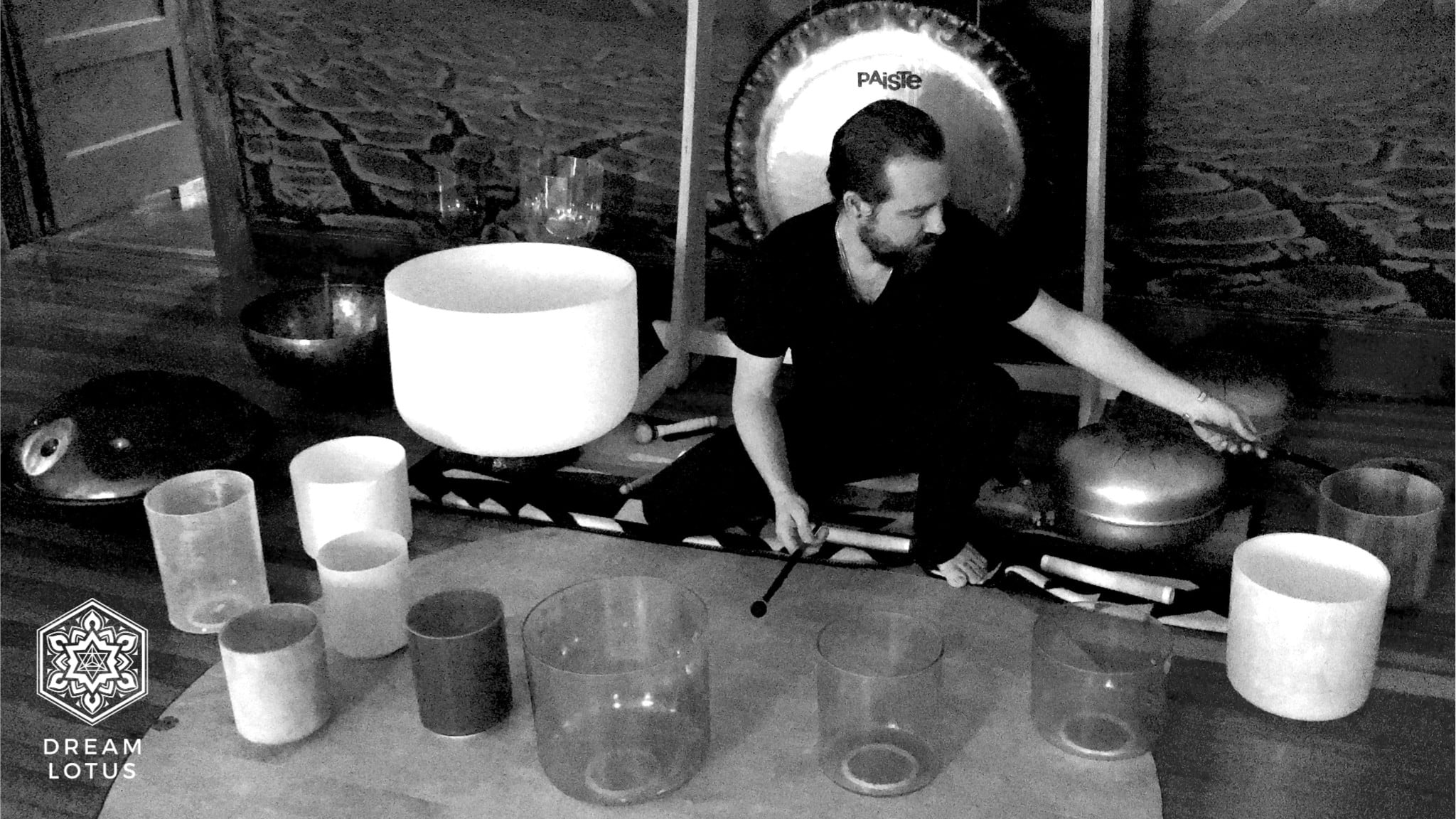
A typical corporate sound bath lasts between 45 and 90 minutes and takes place wherever the company already gathers, whether that is a conference room, an open office floor, or an offsite retreat space. Facilitators bring a full set of instruments into the room, arrange seating or mats, and guide the group through a session that requires no advance preparation from employees. For example, sessions can be performed using twelve Crystal Tones alchemical singing bowls alongside handpan, Rav Drum, classical guitar, a gong kept at a moderate volume indoors and Koshi chimes, layering tones that shift gradually from grounding to expansive over the course of the session.
The logistics are designed to stay out of HR’s way. The facilitator handles setup and takedown around the client’s schedule, supplies all instruments and equipment, and only needs the client to provide the room and seating. That kind of turnkey arrangement is part of why sound baths are gaining traction as a workplace offering: a company does not need to build new infrastructure or train anyone internally to bring the experience in-house. Alejandro Boullon, founder of Florida-based Dream Lotus, says keeping the logistics simple is particularly important in workplace settings. “Companies shouldn’t have to reorganize the workday to make space for wellbeing. We bring everything needed for the session and work around the client’s schedule, so the experience can fit into the environment they already have.”
Why No Skills or Participation Are Required
One of the biggest barriers to workplace wellness programming is the fear of looking awkward in front of colleagues. Yoga classes ask people to hold poses in close quarters. Team-building exercises ask people to share something personal. A corporate sound bath asks for none of that.
Participants sit in a chair or lie down and listen, with nothing to learn, nothing to perform, and nothing anyone has to share. That low-demand structure is exactly why the format works across a diverse workforce. There is no special attire required, no fitness level to meet, and no prior meditation experience needed, which means introverted employees and skeptical executives alike can participate without feeling exposed. Sound healing is often described as a low-cost, low-technology intervention precisely because it skips the steep learning curve that trips up so many other wellness initiatives.
A Low-Demand Trend Backed by Growing Evidence
Corporate sound baths sit at an interesting intersection: a practice with roots in ancient sound healing traditions, now being measured against modern workplace metrics like absenteeism and retention. Some larger organizations have begun investigating sound bath sessions as part of broader employee wellness programs, a sign that the trend has moved past niche experimentation. As more companies look for wellness options that do not demand vulnerability or performance from employees, a format built entirely around sitting back and listening is likely to keep gaining ground.
For teams ready to test the format, a corporate sound bath provides a low-effort way to bring measurable calm into the workday without asking employees to do anything more than show up and listen.
DREAM LOTUS
hello@dreamlotus.com
101 SE 2nd Place
Gainesville
FL
32601
United States


