
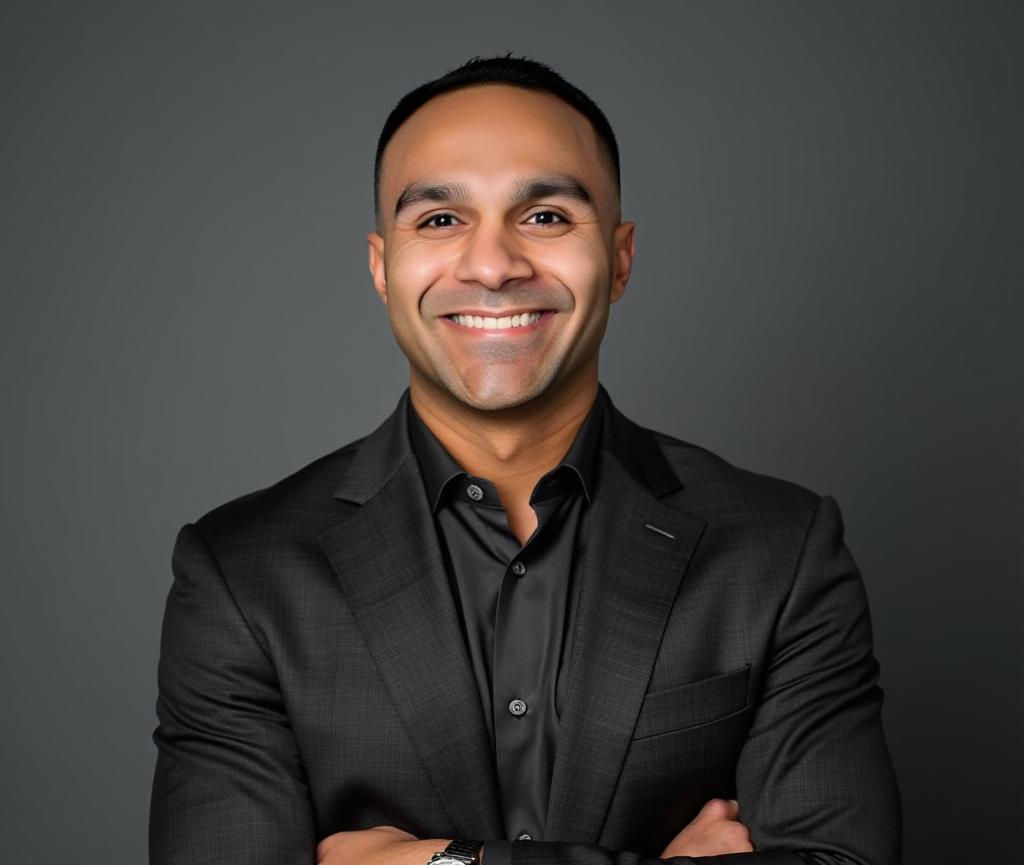
FARMINGDALE, N.Y — November 13, 2026 — Retail businesses preparing for seasonal demand often face a financial challenge before their busiest selling periods begin: inventory purchases must be funded well before the related sales generate revenue. Critical Financing Inc, led by CEO Brandon Garcia, is highlighting several financing considerations that retailers can evaluate when preparing for seasonal inventory purchases.
Seasonal inventory planning involves more than estimating how much merchandise a business expects to sell. Retailers must also account for supplier deadlines, deposits, shipping schedules, operating expenses and the time required to convert purchased inventory into revenue.
Understanding the Cash Flow Gap in Seasonal Retail
Many retailers place inventory orders weeks or months before a major selling period. For example, businesses preparing for holiday demand may need to commit funds during late summer or early autumn, even though much of the expected revenue will not arrive until November or December.
During this period, businesses must continue meeting regular obligations, including payroll, rent, utilities and supplier payments. As a result, a substantial portion of available working capital may be tied up in merchandise before customer purchases begin.
Brandon Garcia, CEO of Critical Financing Inc, emphasizes the importance of considering repayment timing when evaluating funding options.
“Retailers need to look beyond the amount of capital they require and consider when their expected sales will generate the revenue needed to meet repayment obligations,” Garcia explains.
Reviewing previous seasonal sales patterns, supplier payment schedules and operating expenses can help business owners estimate the amount of additional capital they may need.
Financing Options for Seasonal Inventory Purchases
Unsecured working capital is one financing option retailers may evaluate when preparing for inventory purchases. Depending on the provider and eligibility requirements, this type of funding may allow businesses to access capital without pledging specific business assets as collateral.
However, financing costs, repayment frequency, qualification requirements and other contractual conditions can vary. Retailers should review the complete terms of an offer before deciding whether it is appropriate for their circumstances.
A business line of credit represents another option for businesses with staggered inventory requirements. Rather than receiving the entire approved amount at once, an eligible business can draw funds as needed, subject to its credit agreement.
This structure may be relevant for retailers placing multiple orders throughout a season. For example, an initial inventory purchase may be followed by additional orders after early sales provide a clearer picture of customer demand.
Interest charges and other fees depend on the lender’s agreement. Business owners should examine draw requirements, repayment conditions and any applicable maintenance or transaction fees when comparing available facilities.
Aligning Repayment Schedules With Seasonal Revenue
The timing of repayments is an important consideration when selecting seasonal financing. A retailer may receive funding several months before the expected increase in sales, creating a period when repayment obligations begin before the business has generated the anticipated revenue.
Garcia recommends examining repayment scenarios against realistic sales projections rather than relying exclusively on optimistic forecasts.
Retailers can evaluate several factors when comparing financing arrangements:
-
Expected sales dates: Estimate when seasonal inventory is likely to generate revenue based on previous sales records.
-
Repayment obligations: Review payment frequency, amounts and the start of repayment under each offer.
-
Operating expenses: Account for payroll, rent, utilities and other recurring business costs.
-
Unsold inventory: Consider the financial impact of merchandise that remains after the peak selling period.
-
Alternative scenarios: Evaluate whether the business could meet its obligations if sales are delayed or fall below expectations.
These considerations can help owners assess whether a financing structure is compatible with their operating cycle.
Preparing Before Seasonal Demand Increases
A funding plan can begin with a review of previous purchasing and sales records. Comparing order dates, supplier payment deadlines and revenue patterns may help retailers identify when cash shortages are most likely to occur.
Supplier arrangements can also influence the amount of external funding required. Extended payment terms, staged deliveries or negotiated deposits may reduce the immediate cash commitment associated with a large inventory order.
Retailers should also determine whether existing business funds can cover part of the purchase. Funding only the portion of an inventory requirement that cannot reasonably be covered through available resources may help limit additional financial obligations.
Because financing agreements differ, business owners should review all applicable costs and repayment conditions and consider consulting a qualified financial or accounting professional before entering into an agreement.
About Critical Financing Inc
Critical Financing Inc is a Farmingdale, New York-based business funding company serving small businesses across the United States. Led by CEO and founder Brandon Garcia, the company connects business owners with a network of more than 40 lenders through a single application process.
Garcia brings more than 13 years of experience in alternative lending. Critical Financing Inc works with businesses seeking financing solutions, including working capital and other business funding options. Funding availability, qualification requirements and terms depend on the individual lender and applicant’s financial profile.
Media Information
Company: Critical Financing Inc
Media Contact: Public Relations Department
Location: Farmingdale, New York, USA
Website: https://www.criticalfi.com/
Media Email: applications@criticalfinancing.com
Phone: (516) 331-0686
Company Representative: Brandon Garcia, CEO and Founder


